School buying guide

School laboratory equipment list with pictures

A practical starting list for school chemistry, physics and biology departments. Identify the equipment, decide what each experiment needs and record the specifications before requesting a quotation.

Updated 12 September 2026 · SetuCrest Global

Start with the practical programme

Ask each subject teacher to list the experiments, classes and student groups they need to support. Compare that list with your existing equipment before deciding what to replace or add. The examples below are a starting point, not a prescribed curriculum list or a complete laboratory setup.

A useful purchase list records the item, its specification, existing usable quantity and the additional quantity required. Avoid choosing an instrument from its photograph alone: capacity, measurement range, accuracy and included accessories determine whether it is suitable.

Products and specifications

Chemistry, physics and biology equipment: names and pictures

Browse the three subject groups, then use the checklist to prepare a school laboratory requirement list.

Reference photographs show product types. The supplied brand, model, specification and availability are confirmed in your quotation. Photo credits.

Chemistry laboratory equipment

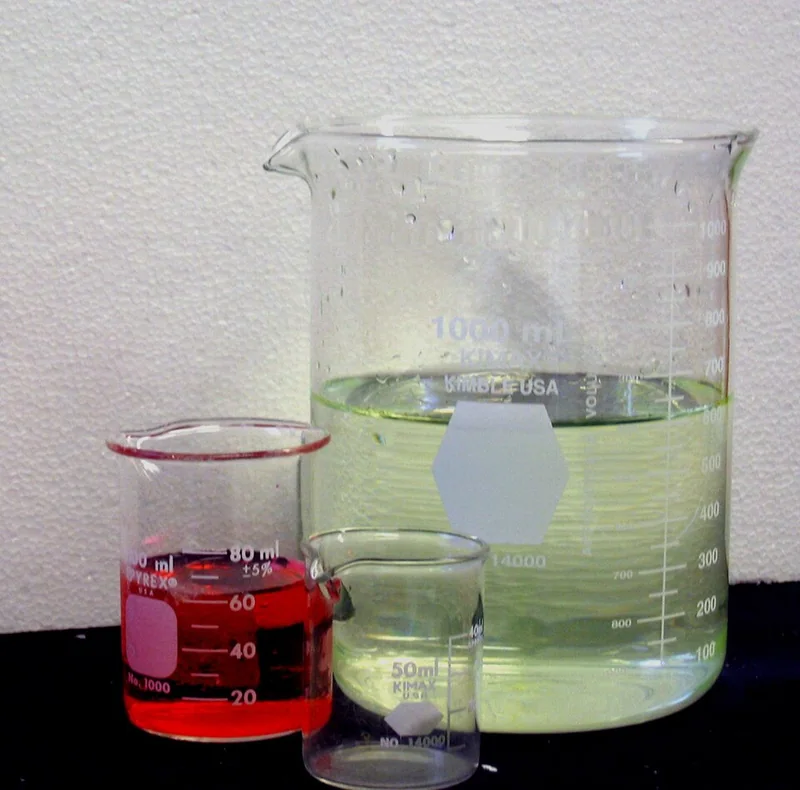
Laboratory glass beakers with pouring spouts and volume markings

Chemistry

Laboratory beakers

For holding, mixing and pouring liquids during school chemistry practicals.

What to specifyCapacity, glass or plastic, material grade and quantity. Beaker markings are approximate; use suitable measuring glassware when precision matters.

View supply details
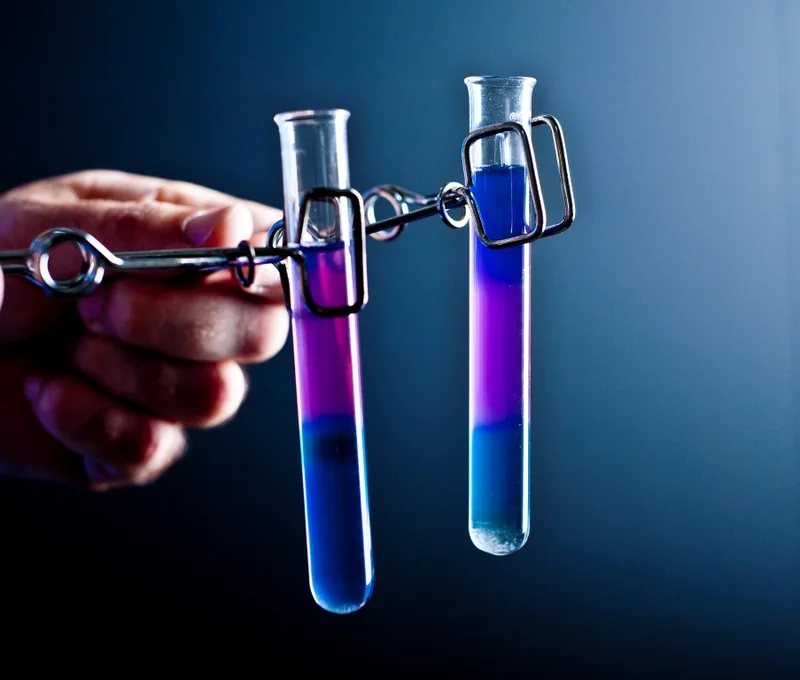
Two glass test tubes held in spring clamps

Chemistry

Test tubes

For small samples and classroom chemistry demonstrations.

What to specifyLength, diameter, material, quantity and whether holders or a rack are also required.

View supply details
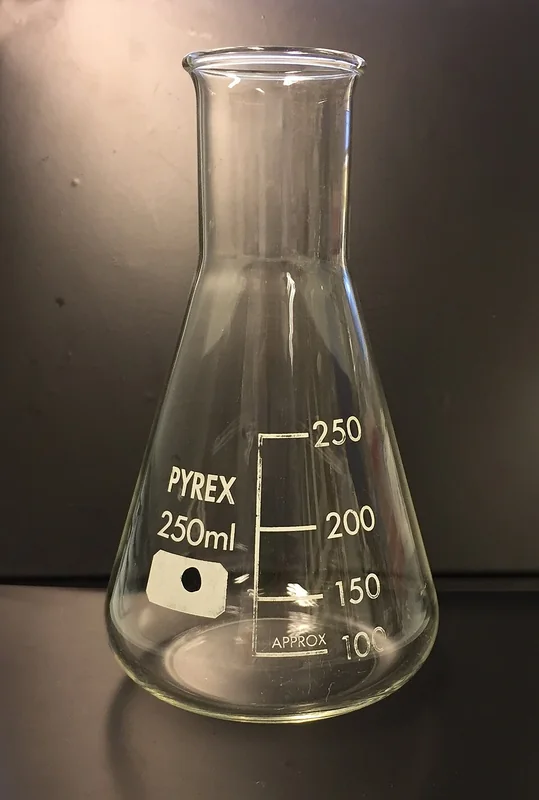
Clear conical laboratory flask with a narrow neck

Chemistry

Conical flasks

Also called Erlenmeyer flasks, these support mixing and swirling liquids.

What to specifyCapacity, glass type, neck opening and any stopper requirement. Specify calibrated glassware separately when needed.

View supply details
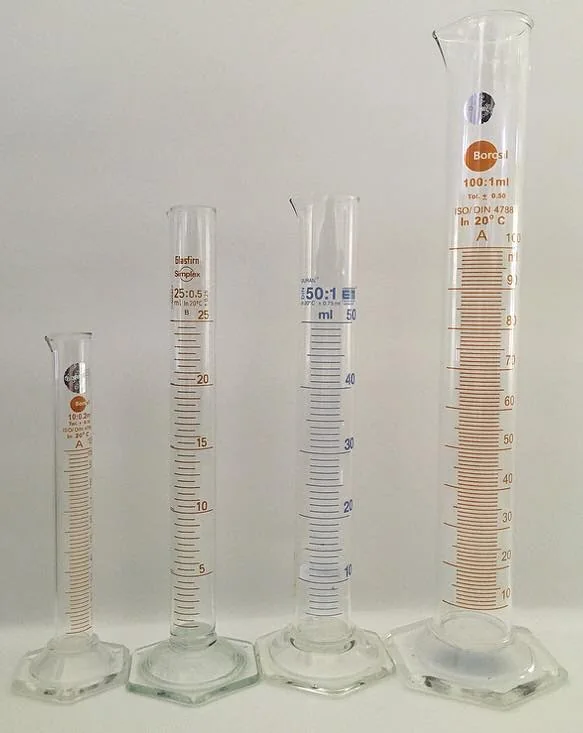
Graduated measuring cylinders in different capacities

Chemistry

Measuring cylinders

Graduated cylinders for measuring liquid volumes in practical work.

What to specifyCapacity, smallest scale division, accuracy requirement and glass or plastic construction.

View supply details

Physics laboratory equipment

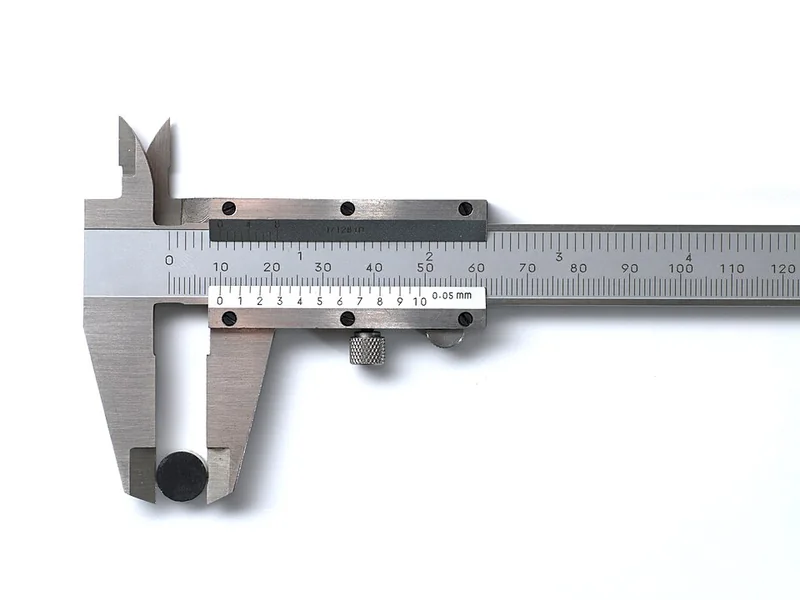
Close view of a vernier caliper and its measurement scale

Physics

Vernier calipers

For measuring external dimensions, internal dimensions and depth.

What to specifyMeasuring range, least count, manual or digital reading, and the experiment it will support.

View supply details
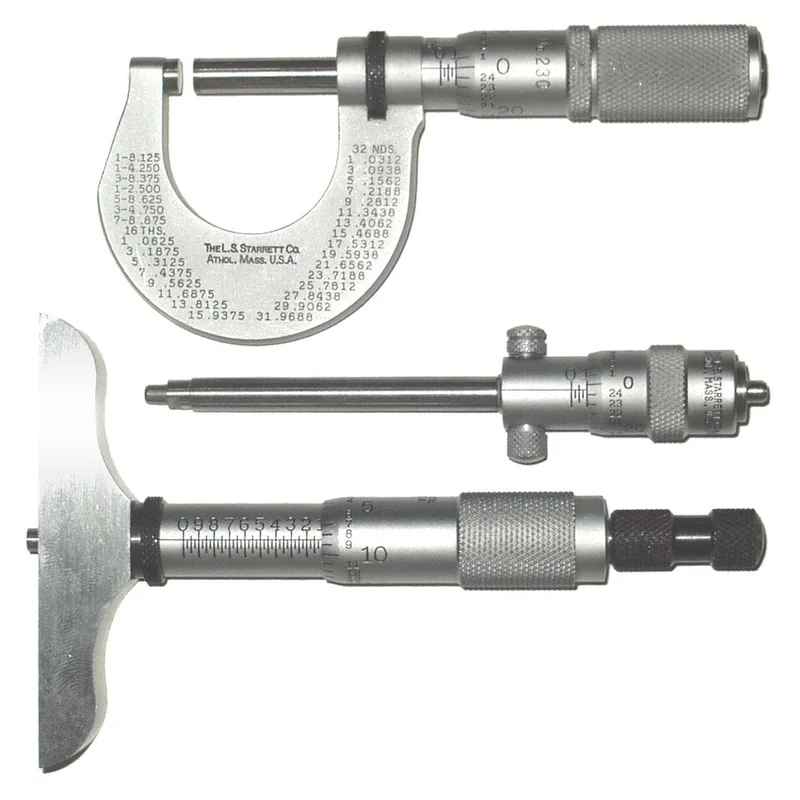
Mechanical micrometer screw gauges in several sizes

Physics

Micrometer screw gauges

For practical measurements of small thicknesses and diameters.

What to specifyMeasuring range, least count, instrument type and any calibration documentation needed.

View supply details
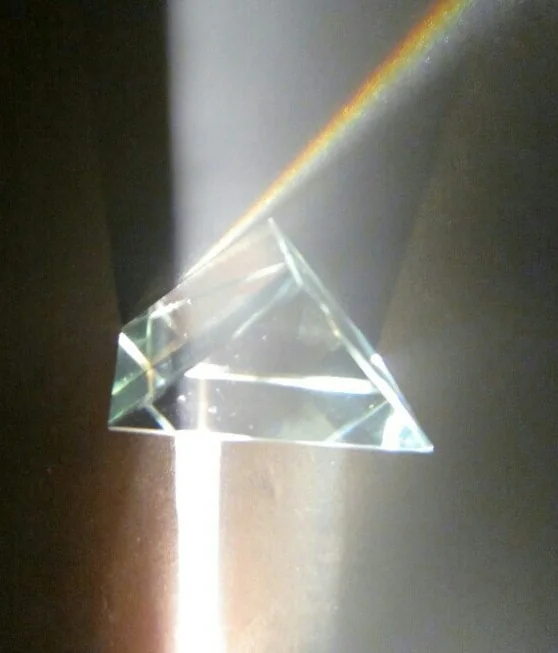
Triangular transparent glass prism for optics demonstrations

Physics

Glass prisms

For school optics demonstrations involving refraction and dispersion.

What to specifyPrism shape, angles, dimensions, optical material and whether a holder is needed.

View supply details
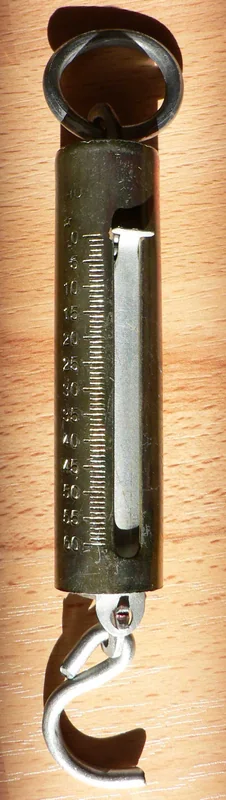
Hanging spring balance with a scale and lower hook

Physics

Spring balances

For force and weight demonstrations in a school physics laboratory.

What to specifyMeasuring range, units shown on the scale, smallest division and attachment type.

View supply details

Biology laboratory equipment

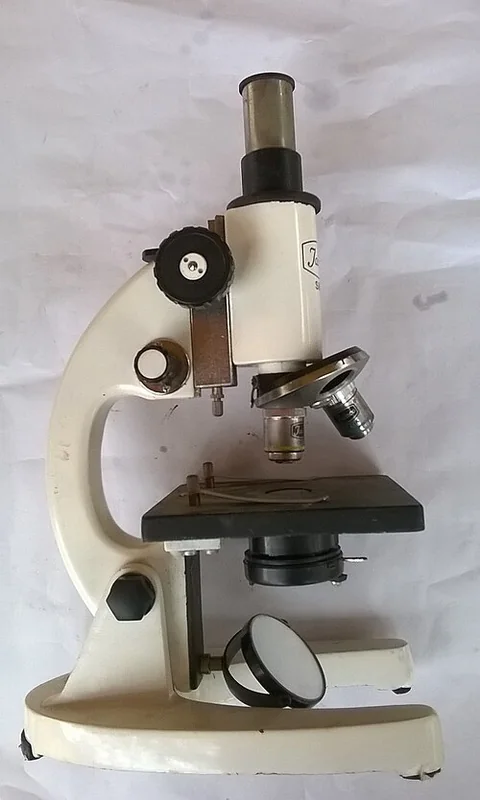
Monocular compound microscope with objective lenses and a specimen stage

Biology

Compound microscopes

For observing prepared specimens and structures too small to see unaided.

What to specifyRequired total magnification, objectives, eyepiece type, illumination, stage and power requirement.

View supply details
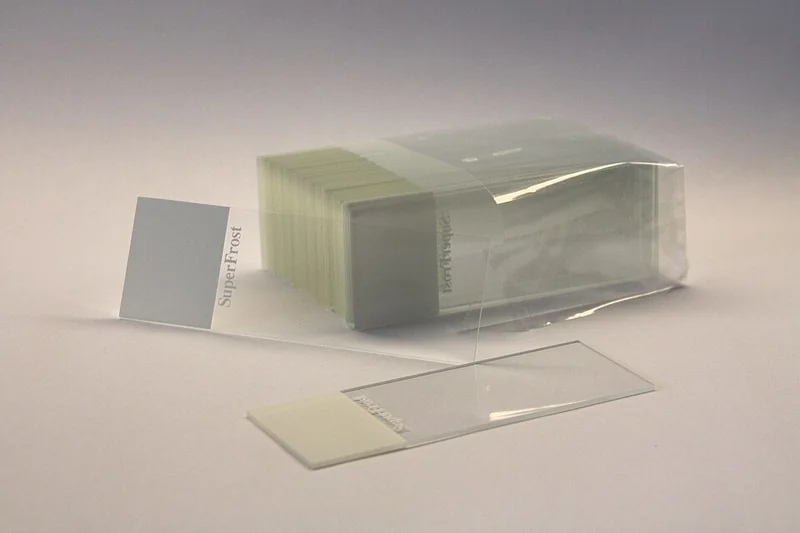
Glass microscope slides with a storage box

Biology

Microscope slides

Glass slides for specimen observation and classroom microscopy.

What to specifyBlank or prepared slides, dimensions, pack quantity and whether coverslips are needed. Name the specimen for prepared slides.

View supply details
Handheld magnifying glass with a round lens

Biology

Hand lenses

Magnifying glasses for observing leaves, seeds and other visible specimens.

What to specifyMagnification, lens diameter, handle style and number of student groups.

View supply details

How to turn the list into quantities

  1. Separate shared and group equipment. A demonstration instrument may be shared, while student groups may each need a set of glassware or slides.
  2. Count usable existing items. Record missing accessories and items awaiting repair separately.
  3. Calculate the working requirement. For example, six groups using two beakers each need twelve beakers available for that practical. If four suitable beakers are already usable, the initial shortfall is eight. Any spare allowance should be chosen by the department.
  4. Record consumables separately. Keep slides, coverslips and replacement glassware distinct from longer-lived instruments.

What a clear laboratory enquiry includes

Details to include before quotation
RequirementDetails to record
EquipmentProduct name, subject, intended experiment and preferred model if known.
SpecificationCapacity, dimensions, range, least count, material, optical configuration or power requirement as relevant.
QuantityNumber of pieces, sets or packs. State what each set or pack must include.
DeliverySchool address, city, receiving contact, floor access and preferred receiving date.
Overseas ordersDestination country, electrical compatibility, required documents, packing and shipment responsibilities.

Complete the laboratory requirement

The pictured list focuses on common equipment types. Review storage, benches, cleaning arrangements, protective equipment and the school's laboratory procedures separately. Chemical requirements need their own item, grade, concentration and pack-size list.